Planning · 6 min read
A wedding planning timeline that leaves room to breathe
A practical sequence for turning a big occasion into manageable next steps.
Read the guide →Planning · 5 min read · Updated August 2026
A practical way to make room for the people who matter while keeping the list connected to your capacity.
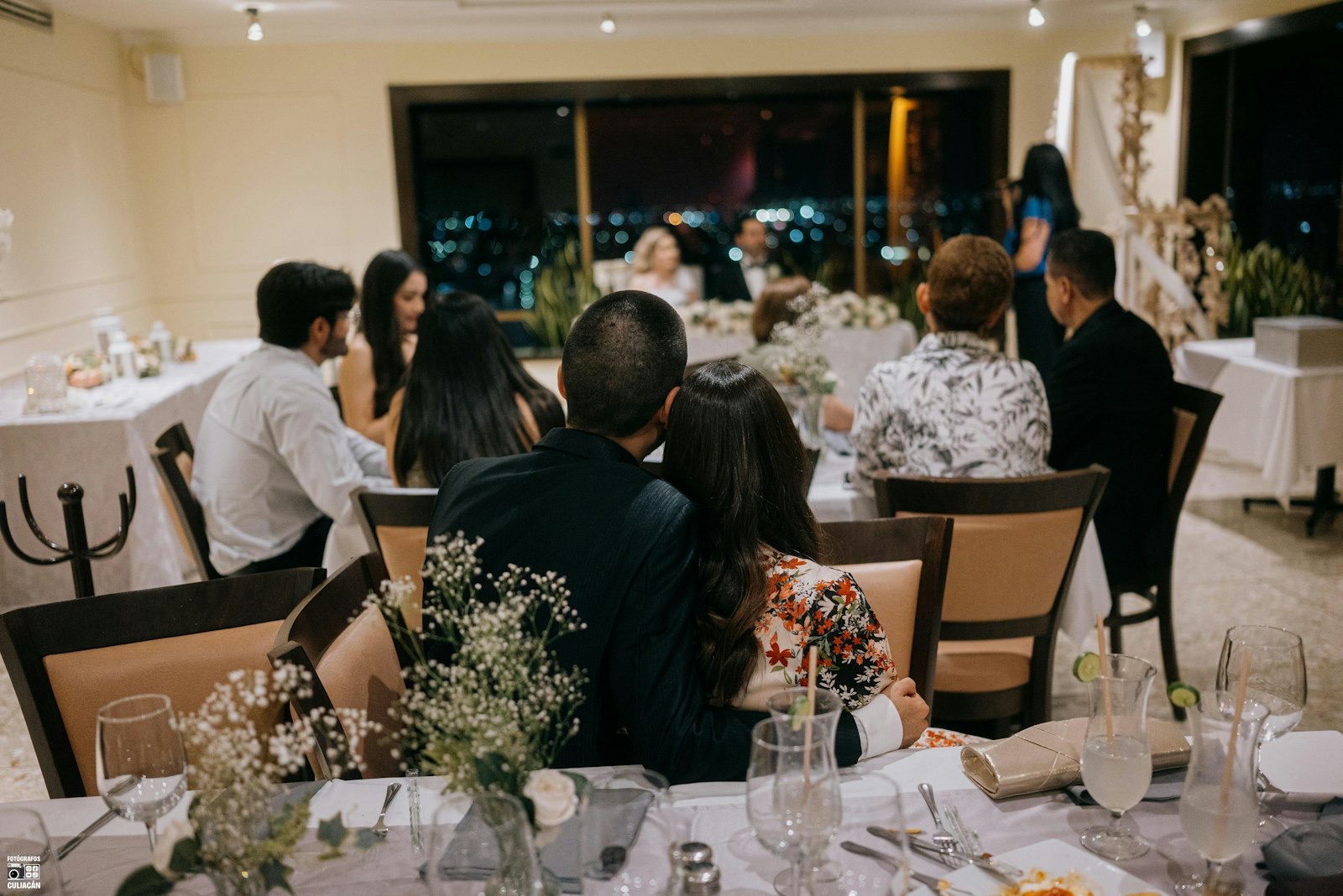
Start with the gathering you can genuinely host, not the largest list you can imagine. Agree on a guest-count range, write down a few shared principles, and use the same principles when close calls appear. Fair does not always mean equal numbers from every relationship; it means being clear, consistent and kind about the limits you have.
A guest list can feel personal because it is personal. It affects the room, the meal, the budget, travel, family expectations and the amount of attention you can offer each person. That is also why it helps to begin before names enter the conversation. Describe the event you are trying to host: a meal where everyone can talk, a large dance party, a small ceremony, a local afternoon gathering, or something with several communities represented.
Set a working range rather than a single absolute number. A range gives you room to learn what spaces can hold, what a meal requires, and how many people can comfortably participate. It also prevents an early spreadsheet from becoming a promise. If the range changes after you understand the practical details, you have not failed; you have learned something useful.
Write down the constraints that are real. They might be the capacity of a space, a spending ceiling, travel complexity, an access need, the energy required to host, or a wish to keep a ceremony intimate. You do not need to make those constraints sound grand enough to earn permission. A limit is a planning fact, not a judgment about anyone’s importance.
A short set of principles gives difficult choices somewhere to land. You might decide to invite people with whom you have an active relationship, include household partners, keep the ceremony to a smaller group, or reserve a few spaces for people who have played a specific role in your lives. There is no universal rule about colleagues, children, distant relatives or plus-ones. The useful rule is one you can explain to each other and apply with care.
If family members are contributing financially or helping host, talk early about what they hope for and what decisions remain yours. Their wish to include people can be sincere; your capacity can be real at the same time. Ask for names in a separate “family hopes” list rather than quietly adding them to the confirmed list. That distinction makes later conversations clearer and keeps a request from turning into an assumption.
Try not to create rules that require you to inspect every friendship with a microscope. A list can include people from different seasons of life without proving that every connection is identical. Use your principles to guide patterns, then make close calls together. The aim is not mathematical perfection. It is a guest list that reflects the gathering you can host without resentment or secrecy.
Start with the people whose presence feels central. Then add family, friends, communities and other groups in rounds. Keeping rounds visible helps you notice whether one category is taking more room than you expected. It also makes the task less emotionally draining than trying to decide everyone’s place in a single evening.
Use a simple tracker with a name, household or invitation unit, contact information, any access or dietary notes you need later, and a status such as “core list,” “possible,” or “not this event.” Keep sensitive commentary out of the document. A planning tool may need to be shared with a partner, a host or a helper; it should not become a record of private judgments about people.
Pause after each round and compare the total with your working range. If you are over, return to the principles and the event shape before debating individual names. You may find that a smaller ceremony and broader reception fits, that the event needs a different format, or that the list simply needs to be smaller. Those are planning choices, not proof that someone made the wrong list.
When someone asks about the wedding before you have invited them, a short honest response is usually kinder than an elaborate excuse. You can say that you are keeping the gathering limited, still working through the list, or not able to include everyone you care about. Do not promise an invitation to soften the moment unless you mean it. A vague promise can create more hurt later.
You do not need to announce the guest list as a public decision. Send invitations when the relevant details are ready, and let the invitation speak for itself. If you choose to share photos afterward, do so in a way that feels respectful of people who were not there. A celebration is allowed to be joyful without becoming a comparison exercise.
If a relationship changes during planning, give yourselves permission to revisit the list. There may be a practical reason to adjust an invitation, or there may simply be a feeling that needs time before action. Discuss it privately, make a decision you can stand behind, and avoid using the guest list to send a message that would be better handled in a direct conversation.
Source notes
This is an original service guide based on editorial planning judgment. It makes no time-sensitive external factual claim and therefore has no inline citation. See `SOURCE-LEDGER.md` for the deterministic source mapping and editorial-method record.