Planning · 5 min read
How to make a wedding guest list that feels fair
A practical way to make room for the people who matter while keeping the list connected to your capacity.
Read the guide →Planning · 6 min read · Updated August 2026
A practical sequence for turning a big occasion into manageable next steps.
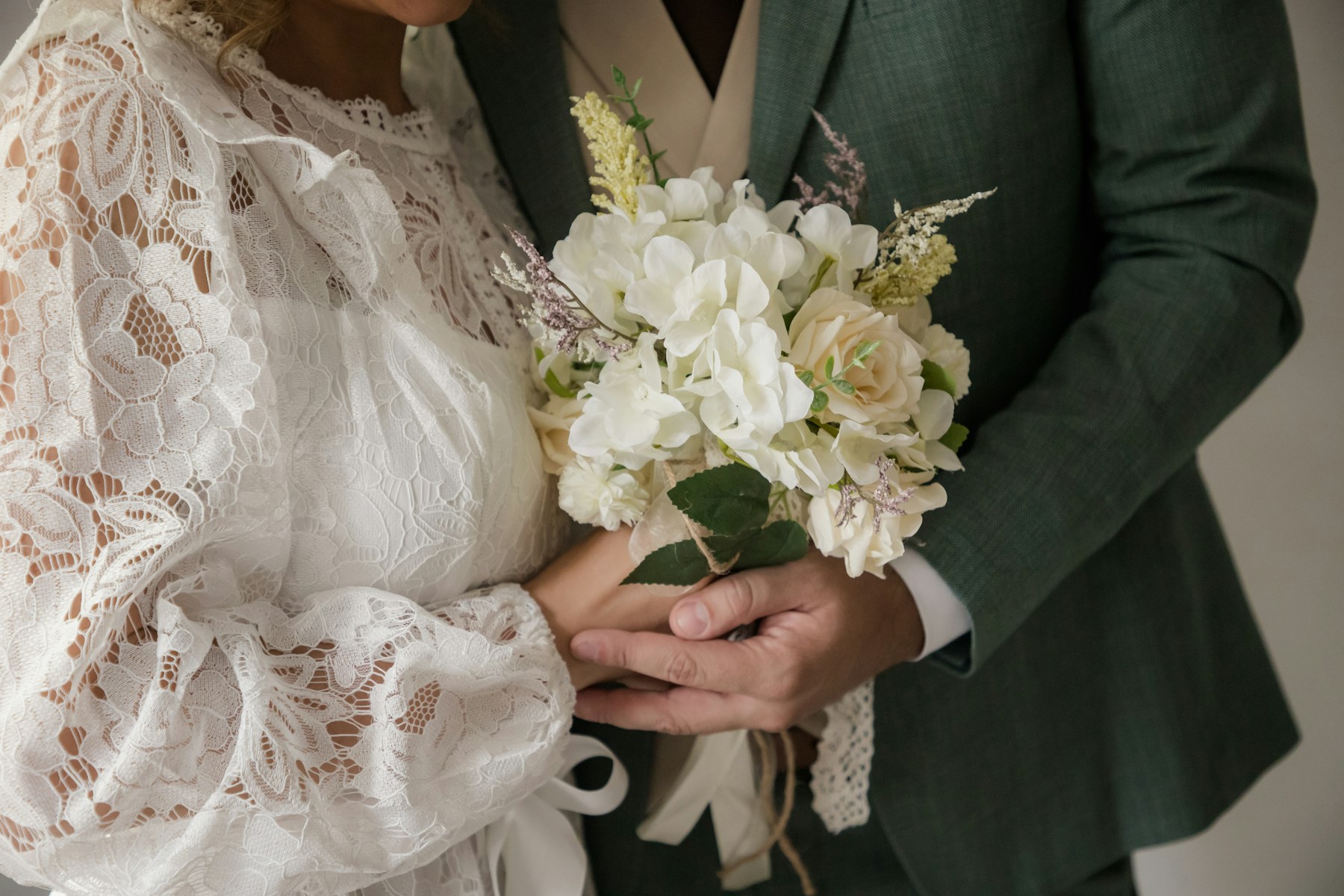
There is no single right way to plan a wedding, and a useful timeline is not a countdown to perfection. It is a way to put decisions in an order that gives you time to think, ask questions and change course. Start with the pieces that affect other choices, then keep the rest in a short, shared next-step list.
Before opening a planning spreadsheet or collecting inspiration, make room for a conversation about the experience you want to create. You might talk about the people you most want beside you, the traditions you hope to include or skip, how formal the day feels, and what would make each of you feel cared for. If more than two people are helping plan, it can help to write down whose decisions need to be consulted and whose role is simply supportive.
Turn that conversation into a short priority list. Keep it specific enough to guide choices: a relaxed meal with unhurried time to talk, a ceremony accessible to an older relative, room for music and dancing, or a small gathering that feels private. Priorities are not promises that every detail will be easy. They are a fair way to decide what deserves attention when time, energy or money are limited.
Choose a planning home that everyone who needs it can use. A shared document, calendar, folder or notebook is enough if it contains the current guest-count range, working budget, decisions made, questions still open and contract dates. The goal is not to record every idea. It is to keep information from living only in one person's messages, memory or mental load.
A few decisions shape nearly everything that follows: a date or date range, a guest-count range, a spending ceiling and a setting that can host the gathering you have in mind. These anchors do not have to be final on the first day. A range gives you something useful to ask about when you contact spaces, check travel plans or compare options. Let the answers you receive refine the plan instead of forcing an early guess to stay fixed.
When you consider a venue, ask about dates before treating it as booked. When a particular photographer, caterer, officiant or other professional matters to you, ask about availability before assuming they can work around your preferred date. Availability is information, not pressure. You can decide whether a person, place or date is most important after you understand the tradeoff.
Keep a simple decision log as you go. For each confirmed choice, note what was selected, why it fits your priorities, the cost or commitment involved, and the next action it creates. This makes it easier to return to a decision calmly if plans change, and it helps prevent a verbal agreement from becoming a confusing assumption later.
Once the anchors are in place, group work into windows. An early window might be for setting the guest list direction and choosing key partners. A middle window can cover invitations, attire, food, ceremony plans and lodging information. A later window can focus on a day-of schedule, final headcounts and small practical items. The exact order will vary with your date, location and circumstances, but grouping work helps you see what truly needs attention now.
At the end of each planning conversation, choose only a few next steps. A useful next step has an owner and a finish line: compare the two remaining spaces, draft the first guest list, ask a family member about a reading, or review a contract together. Avoid assigning an entire category such as flowers or music to one evening. Broad tasks invite scrolling and second-guessing; small tasks make progress visible.
Build pauses into the plan on purpose. A week with no wedding task is allowed. If a decision feels stuck, write down what information would make it easier and return after you have it. Rest is not lost planning time. It can make conversations more generous and keep the event from crowding out the relationship and community it is meant to celebrate.
As the date approaches, shift from choosing to communicating. Create a simple day-of outline that begins with arrivals and ends with the last planned responsibility. Include who needs to be where, who can answer routine questions, meals or breaks that should not be skipped, and the few moments that matter most to you. Share the relevant part with each person rather than sending every detail to everyone.
Name a trusted contact who can handle practical questions on the day. This might be a coordinator, friend, family member or member of the venue team, depending on your plans. Give them the schedule, key phone numbers, a list of items being delivered, and permission to make small decisions within boundaries you agree on. Delegating does not mean you care less; it makes it more likely that you can participate in your own celebration.
Keep the final checklist modest. Confirm what has changed, pack what must travel with you, and leave room for ordinary human needs such as water, food, medication, quiet, weather layers or comfortable shoes. A wedding can include surprises even with excellent preparation. A plan that leaves some room around the edges is often more resilient than one that tries to control every minute.
Source notes
Original 4Weddings editorial guide migrated from the launch collection.