Venues · 5 min read
How to create a weather plan for an outdoor wedding
Make an outdoor celebration more comfortable by deciding early what happens if the day is hot, wet, windy or simply different than expected.
Read the guide →Venues · 6 min read · Updated August 2026
Questions that reveal whether a space works for your people, your plans and your practical needs.
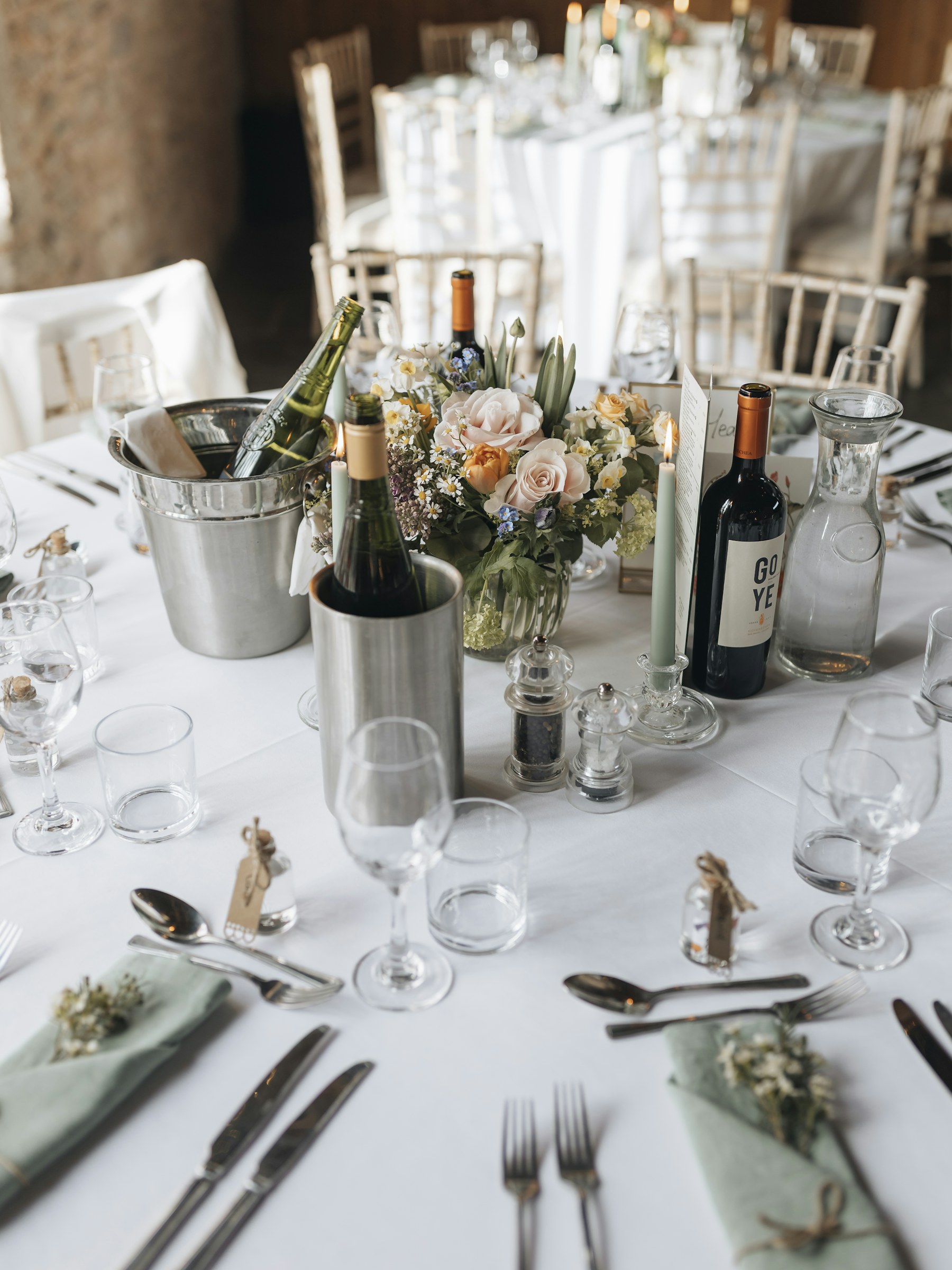
The right venue does more than look beautiful in photographs. It supports the way you want guests to arrive, gather, eat, rest and celebrate. A thoughtful visit focuses less on whether a room looks perfect empty and more on whether the space can hold your actual plans with clarity and care.
Before searching, write a short description of the day you are trying to host. Include a realistic guest-count range, the kind of ceremony and meal you envision, how long you expect people to be there, and any traditions or activities that need room. If you are not sure about every detail, name the questions instead. A venue conversation becomes much more useful when it starts from your needs rather than a list of generic features.
Consider the full path a guest will take. Where will people arrive, park or be dropped off? How will they know where to go? Is there a place to wait, sit, use a restroom, get water, step away from noise or move between parts of the event? Think about guests with mobility needs, young children, elders, pregnant guests, people observing religious practices, and anyone unfamiliar with the area. Inclusion often appears in practical details.
Make a short list of non-negotiables and preferences. Non-negotiables might include a particular location, an accessible entrance, indoor shelter, a date range, room for a cultural practice, or an ability to bring a needed food option. Preferences might include a certain view, architecture or layout. Keeping these separate gives you room to appreciate a venue without asking it to be everything at once.
On a visit, ask to see more than the most photographed room. Walk the ceremony area, meal space, restrooms, accessible entrances, preparation areas, parking or drop-off points, and any place guests would use in poor weather. If there is a transition between spaces, walk it in the direction guests would travel. A beautiful room can work well, but the routes between rooms are often what shape the day.
Bring a rough version of your plan and ask where each piece would happen. Where would a welcome table go? Where would people line up for food, if needed? Where would a band, speakers or a quiet conversation fit? Where could a person sit down out of the sun or rain? You do not need to design the entire layout during a tour. You are checking whether the venue gives you options rather than forcing awkward compromises.
Ask how the space changes when it is set for an event. Chairs, tables, a dance floor, serving areas, equipment and personal belongings all take up room. If you can, ask for a floor plan or photos of a similar layout without treating another event as a guarantee. Your guest count, schedule and setup will have their own needs, so use examples as prompts for questions rather than as proof that every plan will fit.
Ask what the venue provides and what remains your responsibility. That can include furniture, setup, cleanup, staffing, lighting, heating or cooling, audio equipment, catering facilities, storage, trash removal and day-of coordination. Ask when you and your other providers may arrive, when they must leave, and who is responsible for resetting the space. Details that sound small can affect the schedule, staffing and overall budget.
Discuss food, drinks, music and other operational rules early. Some spaces have specific requirements for catering, alcohol service, decorations, sound, deliveries or outside professionals. Ask whether there are limits on timing, volume, candles, signage, pets, photography locations or vehicle access if any of those matter to you. A rule is easier to plan around when you learn it before emotionally committing to a space.
Request written information before comparing your finalists. An email, proposal, floor plan or agreement can help you distinguish an included service from an optional one and can protect everyone from memory-based misunderstandings. Read the terms carefully, ask for clarification where needed, and save the final version with your other planning documents. If a venue cannot answer a practical question yet, note it as an open item rather than filling in the blank yourself.
After visits, compare venues using the priorities you set before touring. It can help to score or simply note each space against the same headings: guest comfort, accessibility, weather plan, logistics, cost clarity, atmosphere and room for your important moments. The exercise is not meant to turn a personal decision into a formula. It is a way to notice when a striking first impression is obscuring a practical concern, or when a modest-looking place quietly meets every need.
Talk through what would be hard to change later. A paint color or table arrangement may be flexible; an inaccessible entrance, inadequate shelter or a schedule that leaves no time for transitions may not be. Ask yourselves how the venue would feel with the people you love in it, including the people who may need a little more care. The answer can reveal more than a collection of images ever will.
Once you have a choice, confirm the agreement before announcing it widely or making dependent bookings. Keep a copy of the signed terms, payment dates, contact names and any promised details. Then let the venue become a foundation rather than another ongoing question. A space that works for your people and your plan gives the rest of the planning process room to become simpler.
Source notes
Original 4Weddings editorial guide migrated from the launch collection.